

 Jun, 28 2026
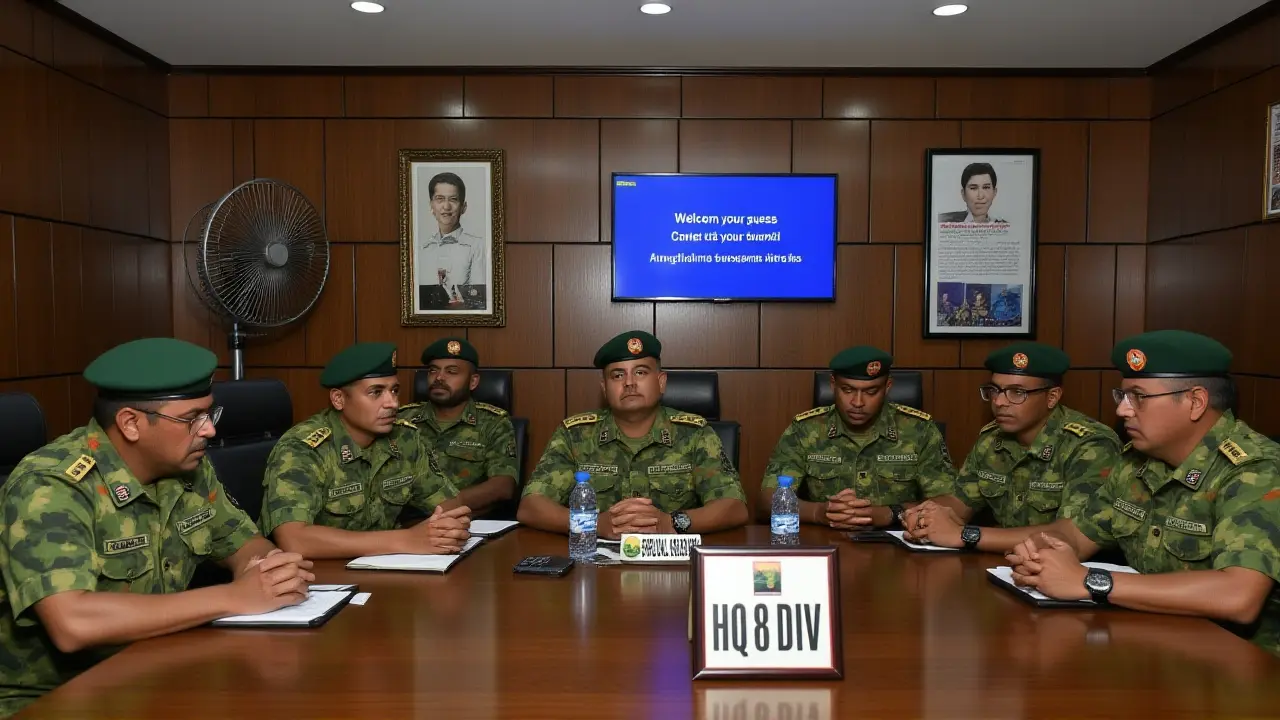
When Major General Shamsudeen Shafaru, Commander Corps of Nigerian Army Engineers, walked into the conference room in Sokoto on February 5, 2026, he wasn't just paying a courtesy call. He was bringing heavy machinery to the table—metaphorically speaking.
The visit marked a strategic pivot for the Nigerian Army, aiming to tighten the screws on security operations in the volatile North-West region. Shafaru met with Major General Bemgba Paul Koughna, General Officer Commanding 8 Division and Commander Sector 2, Joint Task Force Northwest Operation FANSAN YAMMA. The goal? To ensure that engineering support isn't an afterthought but a frontline asset in the fight against banditry and insurgency.
Bridging the Gap Between Combat and Engineering
Here’s the thing about modern warfare: you can have the best infantry units in the world, but if they can’t move quickly or dig in fast enough, they’re vulnerable. That’s where the Corps of Engineers comes in. Known colloquially as "The Sappers," this specialized branch is tasked with everything from building bridges to clearing mines and constructing forward operating bases.
During the meeting, Shafaru emphasized that the Corps’ role goes beyond construction. It’s about combat engineering support, infrastructure maintenance, and enhancing troop mobility. "We are committed to tackling challenges, building capacity, and providing training, equipment, and timely interventions," Shafaru stated, according to reports from TVC News and Eagles FM.
The engagement was part of a broader initiative to enhance military readiness in the North-West, where 8 Division operates. By assessing the deployment and welfare of engineer personnel within the division, Shafaru aimed to identify gaps and plug them immediately. This isn't just about paperwork; it's about ensuring that when troops hit the field, they have the physical infrastructure to survive and succeed.
The Stakes in the North-West
To understand why this visit matters, you need to look at the map. The North-West has become one of Nigeria’s most dangerous regions due to escalating violence by armed groups. Operation FANSAN YAMMANorth-West Nigeria, launched earlier in 2024, was designed to restore peace and security in the area. But operations like these require more than just guns and ammunition—they require logistics.
Major General Koughna, who leads both the 8 Division and the joint task force sector, faces the daily reality of coordinating multi-agency responses. His command spans several states, including Sokoto, Kebbi, and Zamfara. The presence of the 48 Engineer Brigade within his Area of Responsibility means that engineering capabilities are already embedded in the local structure. However, integration doesn’t happen automatically. It requires constant dialogue and coordination, which is exactly what Shafaru’s visit provided.
A statement signed by Lieutenant Colonel Olaniyi Osoba, Acting Deputy Director of Army Public Relations for 8 Division, highlighted that the focus was on improving professional synergy between the Corps of Engineers and the division. In simple terms, they needed to speak the same language operationally.
Readiness Beyond the Battlefield
But wait, there’s more to the story than just high-level meetings. The Nigerian Army is also investing heavily in grassroots readiness. Just weeks after the engineers' visit, the 8 Division held its 2026 Inter-Brigade Corporals and Below Competition in Birnin Kebbi.
This four-day event, which concluded on April 17, 2026, saw formations like the 1 Brigade, 17 Brigade, 8 Division Garrison, 48 Engineer Brigade, and 58 Signal Brigade competing in intensive military drills. The 8 Division Garrison emerged as the overall winner. Why does this matter? Because it shows that the army is focusing on physical fitness and combat readiness at all levels, not just among senior officers.
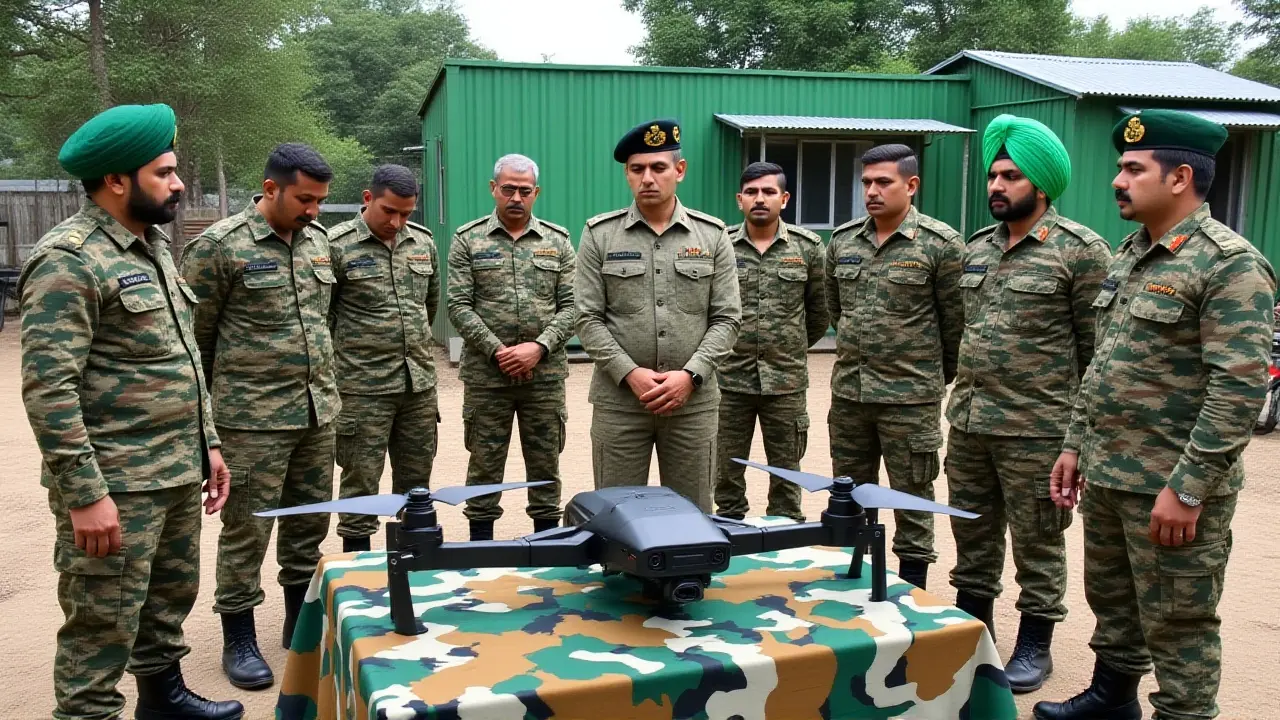
The inclusion of the 48 Engineer Brigade in these competitions underscores their dual role: they are specialists in engineering, but they are also soldiers first. They need to be fit, agile, and ready to engage in combat if necessary. This holistic approach to training ensures that when crises hit, every unit can pull its weight.
A Pattern of Collaboration
This isn’t an isolated incident. If you look back at May 16, 2025, the Commandant General of the Nigeria Security and Civil Defence Corps (NSCDC) met with Major General Koughna in Sokoto to discuss "Strengthening Synergy and Frontline Collaboration." That meeting laid the groundwork for inter-agency cooperation, bringing civilian security forces into the fold alongside the military.
Now, with the Engineers Corps joining the conversation, we see a pattern emerging. The Nigerian Army is moving away from siloed operations toward a more integrated model. Each stakeholder—the infantry, the engineers, the signals, and even civilian agencies—plays a specific role in the larger puzzle of national security.
ReportCircle News framed the recent meeting as an effort to "fortify the Northwest battlefront." While that headline might sound dramatic, it reflects the urgency of the situation. The North-West needs robust infrastructure to support long-term stability. Roads, checkpoints, and secure bases aren't just convenience factors; they are force multipliers.
What’s Next for the Region?
Looking ahead, the implications of this strengthened tie are significant. We can expect increased investment in infrastructure projects within the 8 Division’s Area of Responsibility. This could mean better roads for rapid deployment, improved communication networks, and fortified positions for troops stationed in remote areas.
Moreover, the emphasis on training and equipment suggests that the Engineers Corps will play a more active role in capacity-building initiatives. Troops will likely receive more hands-on experience with engineering tools and techniques, making them more self-reliant in the field.
For the communities living in the North-West, this translates to hope—but cautious hope. Security remains fragile, and any improvement must be sustained over time. The question now is whether these collaborative efforts will lead to tangible results on the ground. Only time will tell, but the signs so far are promising.
Frequently Asked Questions
Who is Major General Shamsudeen Shafaru?
Major General Shamsudeen Shafaru is the Commander Corps of Nigerian Army Engineers. He oversees all engineering operations within the Nigerian Army, including combat support, infrastructure development, and technical training for engineer units across the country.
What is Operation FANSAN YAMMA?
Operation FANSAN YAMMA is a major military offensive launched by the Nigerian Army in July 2024 to combat insecurity in the North-West region. It involves multiple divisions and joint task forces working together to dismantle criminal syndicates and restore peace.
Why is the Corps of Engineers important for security operations?
The Corps of Engineers provides critical support such as building bridges, clearing minefields, constructing bases, and maintaining infrastructure. These capabilities enhance troop mobility and survivability, allowing other units to operate more effectively in hostile environments.
Where is 8 Division headquartered?
The 8 Division of the Nigerian Army is headquartered in Sokoto, a city in northern Nigeria. Its area of responsibility covers several states in the North-West geopolitical zone, including Kebbi, Zamfara, and Katsina.
What happened during the Inter-Brigade Competition in April 2026?
In April 2026, the 8 Division held a four-day competition involving various brigades, including the 48 Engineer Brigade. The event focused on physical fitness and combat readiness, with the 8 Division Garrison winning overall. It highlighted the army's commitment to maintaining high standards among its troops.