

Police Recruitment: How to Apply, Requirements, and What to Expect
When you think about police recruitment, the official process through which law enforcement agencies hire new officers to serve their communities. Also known as SAPS recruitment, it’s not just about passing a test—it’s about proving you’re ready for the weight of the job. In South Africa, this process is run by the South African Police Service (SAPS), and it’s more competitive than most people realize. Thousands apply every year, but only a fraction make it through. Why? Because the bar isn’t just high—it’s set to keep out anyone who isn’t truly committed.
What do they look for? First, you need to be a South African citizen with no criminal record. You must be between 18 and 35 years old, have a valid driver’s license, and at least a Grade 12 certificate. Physical fitness matters—there’s a run, push-ups, and a medical check. But it’s not just about strength. Your background gets dug into. References are checked. You’ll sit for psychological tests and interviews that probe your judgment, ethics, and emotional control. SAPS training, the intensive program new recruits go through before hitting the streets. Also known as basic police training, it lasts six months and covers everything from firearms handling to community policing, constitutional law, and crisis response. You don’t just learn how to arrest someone—you learn when not to.
And it’s not the same everywhere. Recruitment drives happen in different provinces at different times. Some areas need more officers for rural patrols. Others are focused on urban crime units. You might get posted to a township station in Gauteng, a coastal patrol in the Eastern Cape, or a traffic unit in Cape Town. There’s no guarantee you’ll stay close to home. The job demands flexibility. police application, the formal process of submitting documents, passing assessments, and clearing background checks to enter the police force. Also known as SAPS application, it starts online at the official SAPS portal, but the real work begins after you hit submit. Missing one document? Your application gets thrown out. No second chances. That’s why so many people fail—not because they’re unqualified, but because they didn’t read the instructions.
What’s next after you’re accepted? You become a trainee. No badge yet. No gun. Just a uniform and a lot of discipline. You’ll wake up early, run in formation, memorize laws, and learn how to handle pressure. Some don’t make it past the first month. Others find their calling. The job doesn’t pay well at first, and the hours are brutal. But if you stick with it, you’re part of something bigger. You’re part of the frontline.
Below, you’ll find real stories and updates from people who’ve gone through this process—what worked, what didn’t, and how they got through it. Whether you’re thinking about applying or just want to understand what’s really going on behind the badge, these posts give you the unfiltered truth.
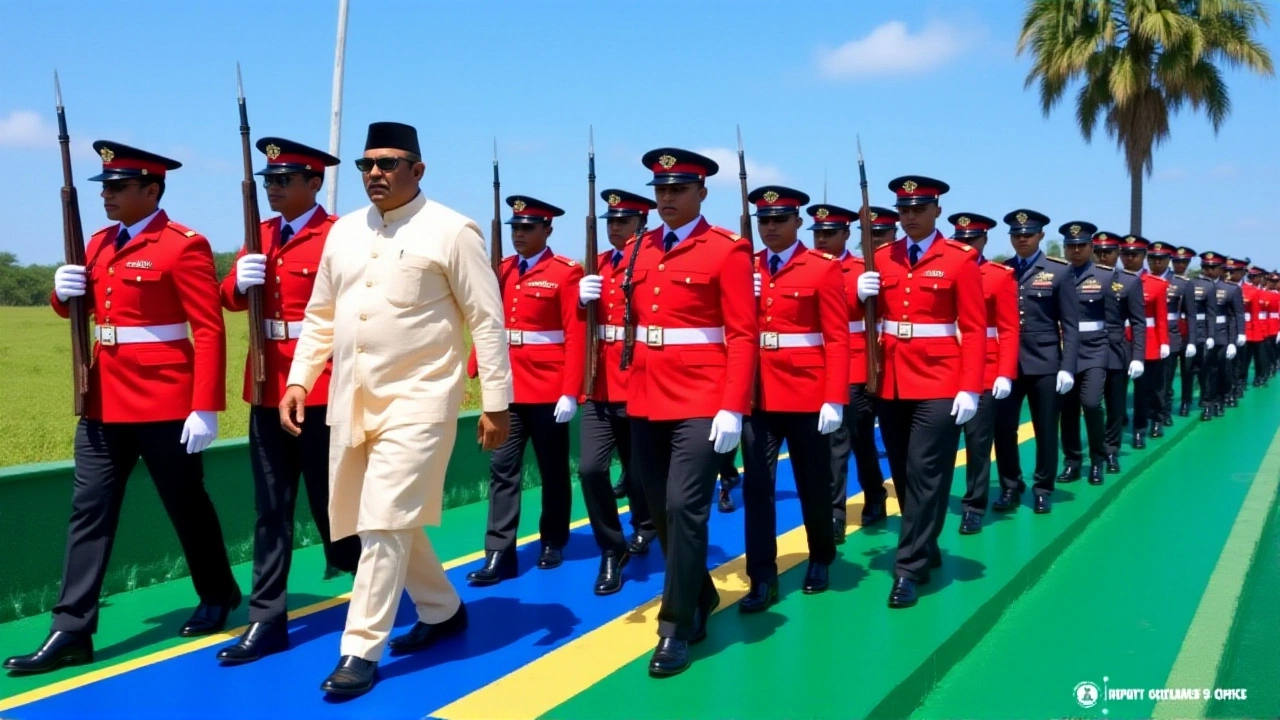
Tinubu Approves 30,000 Police Recruits as Nigeria Prepares for Massive Training Facility Overhaul
President Tinubu approved 30,000 police recruits to tackle Nigeria's chronic understaffing, but training can't begin until crumbling academies are fully rebuilt—a move backed by a presidential committee with a strict timeline.